“method area” search results (10000)

The aroma and mellow smell of Ethiopian Sidamo Chiso Coffee flavor and taste characteristics of the manor area
According to the above four different modes of production, Ethiopian coffee can be divided into nine major coffee producing areas, including five boutique coffee areas: Sidamo, Yegashefi, Harald, Lim and Lekampu. and four general commercial bean producing areas: Gemma, Irugbo, Tibby and Bekaa. The sun or water washing methods are used in each district, and different treatment methods also affect the flavor.
2016-08-12 Smell mellow thick Ethiopia Dharma Shakiso coffee flavor taste
Hawaiian Kona Coffee introduces the treatment of boutique coffee treatment methods in the Manoa Valley area of Oahu.
Although Hawaii is often affected by tornadoes, the climatic conditions are very suitable for the coffee industry. There is plenty of rain and sunshine, and there is no worry of frost. In addition, there is a strange natural phenomenon called free shade. On most days, around 2 o'clock in the afternoon, white clouds appear in the sky, providing the necessary shade for the coffee tree
2016-07-06 Hawaii Kona coffee introduction boutique treatment way method Oahu island horse
Characteristics of grindability of Dominican coffee with a winding aftertaste introduction to manors in producing areas by variety treatment method
Located in the Jarabacoa region near Siwao, it has the largest farm in Dominica, Ramirez Manor (RamirezEstates), which mainly grows Kaddura varieties, and most of the coffee produced is sold to Europe, the United States and other western countries and regions. Ramirez Manor itself produces coffee in an environmentally friendly way. Coffee from Dominica is made with A.
2016-10-10 Aftertaste winding Dominica coffee grinding characteristics variety treatment producing area village
Introduction to the planting methods of the Coffee growing area in El Salvador
A brief History of Coffee production in 1742, coffee was introduced to El Salvador from the Caribbean (1740). In the mid-19th century, El Salvador's original export pillar Indigo (one of the dyes) received a gradual decline in the development of synthetic dyes in Europe, and coffee gradually became the main export product under the guidance of the government. In 1856, the first 693 bags of coffee beans were shipped to Europe. all long
2016-07-11 Salva many Coffee planting area way introduction Anna Volcano region
The Flavor of Fine Coffee describes the Flavor characteristics of Coffee in Coffee producing area
After coffee beans spread to all parts of the world, due to the different climate, soil quality, planting methods and processing methods, the taste of coffee beans can be said to be completely different. Here is a list of the basic flavor characteristics of Arabica coffee beans from different producing areas (it should be noted that the flavor of coffee produced by different producing areas and different farms in the same place will be different. Some people usually think that coffee
2015-10-14 Boutique coffee flavor description coffee beans origin characteristics spread world
Producing area and roasting method of Indonesian Manning Coffee
(1) Mantenin refers to the half-sun or sun-dried beans in the Lindong Mountains around Lake Toba in north-central Sumatra at an altitude of 9-1200 meters above sea level; (2) Golden Mantenin, after four manual screening, is higher than the average Mantenin and has larger grains; (3) Tawahu Coffee refers to the area of Gayo Mountain near Tawahu, the northernmost part of Sumatra.
2016-06-13 Indonesia Mante coffee origin baking method mante Sumatra medium
Citrus acidity Burundian boutique coffee bean flavor description method grinding degree production area taste baking record
Burundian coffee bears a striking resemblance to neighboring Rwanda, where coffee from the two countries is often confused. Burundian coffee is mainly grown in bourbon, with traditional wet processing of coffee cherries. Its boutique coffee is characterized by elegant sweetness and bright citrus aromas. This batch belongs to the bourbon species micro-batch country: Burundian growth: 1750 meters
2016-10-19 Citrus sour Burundi boutique coffee beans flavor description treatment grinding production
Yunnan small Coffee Huaguoshan Coffee grindability characteristics, treatment methods and taste introduction
The overall quality of Yunnan coffee is better than that of Brazilian coffee and similar to Colombian small grain coffee. Liang Houfu, a famous news critic in the United States, wrote that the best origin of coffee in the world is in Yunnan, and the coffee produced in Yunnan is very enjoyable when it touches the tongue. Coffee producing areas in Yunnan are distributed between latitude 15 and Tropic of Cancer, and most areas are 1000-2000 meters above sea level. The topography is mainly mountainous and sloping, and undulating.
2016-10-11 Yunnan small grains Coffee Huaguoshan Grinding characteristics treatment methods Taste
Introduction to Peruvian Organic Coffee processing methods, Baking degree, characteristics of Fine Coffee
Peru is located in western South America, with a coastline of 2254 kilometers. The Andes runs from north to south, and the mountains account for 1% of the country's area. it belongs to the tropical desert region with a dry and mild climate. Peruvian coffee is mostly grown at the foot of the Andes, where it is rich in traditional Central American top coffee beans. Peruvian coffee beans grown in the central part of the country and Cusco in the south
2016-09-24 Peru organic coffee treatment way baking degree producing area characteristics boutique
Costa Rican coffee processing method processing method washing treatment
Full-bodied particles, ideal acidity, unique and intense aroma. Tarrazu, Costa Rica, is one of the world's leading coffee producers, producing coffee with a light, pure flavor and pleasant aroma. Costa Rica's volcanic soils are fertile and well drained, making it the first country in Central America to grow coffee and bananas for commercial value. Coffee and bananas are the country's staple foods.
2016-05-12 boutique coffee Costa Rica treatment way method washing granules plump
Costa Rican coffee processing method processing method washing treatment
Full-bodied particles, ideal acidity, unique and intense aroma. Tarrazu, Costa Rica, is one of the world's leading coffee producers, producing coffee with a light, pure flavor and pleasant aroma. Costa Rica's volcanic soils are fertile and well drained, making it the first country in Central America to grow coffee and bananas for commercial value. Coffee and bananas are the country's staple foods.
2016-05-15 boutique coffee Costa Rica treatment way method washing granules plump
Treatment of coffee beans Coffee beans treated with honey
We know that the three treatment methods of raw coffee beans can be divided into three types. The distinction between each method is based on the fact that several layers of matter are removed from the fruit before the coffee is dried. The following is a list of the three major processing methods: 1. Natural sun treatment: retain all substances 2. Honey treatment: remove the peel and pulp and retain part or all of the mucous membrane (honey) 3. Washing method
2016-07-22 Coffee beans treatment methods white honey coffee raw beans three we
Introduction to the method of describing the Flavor of El Salvador Himalayan Coffee Manor
Savanna climate. The plain area belongs to the tropical rain forest climate and the mountain area belongs to the subtropical forest climate. The average annual temperature is 25-28 ℃. The annual precipitation is more than 1800 mm in mountain areas and about 1000 mm in coastal areas. The rainy season is from May to October. Don't underestimate El Salvador's coffee production. In its heyday, it was the world's fourth largest coffee producer, but decades of civil war almost dragged down coffee
2016-10-13 El Salvador Himalayas Coffee Manors producing areas Flavor description treatment varieties
Introduction to the production method of Hawaiian Coffee Flavor description production
Hawaii's coffee industry has to compete with the expanding tourism industry. Most coffee is grown on the slopes of MaunaLoa. Mauna Loa was originally a volcano located in the western part of the Kona region on the island of Hawaii. The coffee producing area is about 30 kilometers long and its growing areas are mainly concentrated in the north and south of the area. Coffee trees are planted in relatively desolate areas, but they
2016-09-19 Hawaii coffee flavor description production process production method variety producing area introduction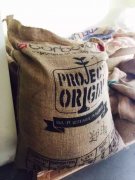
The simple method of using the pressure kettle is very simple.
The coffee produced by the French pressure pot can well retain the different flavor of different coffee beans, and the single product can make people drink the taste very intuitively. The method of using the pressure kettle is very simple, but what is not mastered is bitter water. French pressure pot coffee three variables. One: powder thickness, two: water temperature, three: time 1, powder thickness pressure is not too high for grinding, but for
2015-10-27 French kettle simple method of use produced coffee good reserved different
Ethiopian Coffee Flavor description of unique quality; introduction to the processing methods for the characteristics of grinding degree of taste
This kind of coffee grows in areas ranging from 1500 to 2200 meters above sea level. This coffee is washed in a clear stream, carefully selected by hand and exposed to plenty of sunshine. The taste is unique; the fruit is medium-sized, comparable to Mocha. The taste is mellow, the charm is unique, it gives people a fresh feeling, and the market prospect is optimistic. It is estimated that this kind of coffee is average in 42000 hectares of cultivated area.
2016-09-30 Quality unique Ethiopian coffee flavor description grinding taste characteristics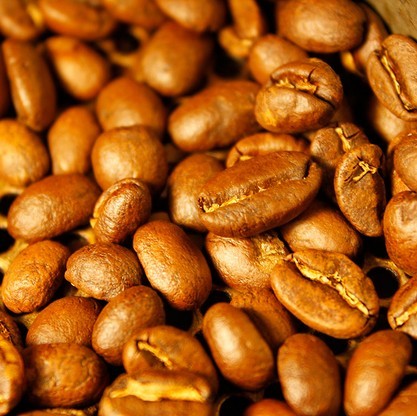
World boutique Coffee Manor beans: a detailed introduction of beans from Sidamo, Ethiopia
According to the above four different modes of production, Ethiopian coffee can be divided into nine major coffee producing areas, including five boutique coffee areas: Sidamo, Yegashefi, Harald, Lim and Lekampu. and four general commercial bean producing areas: Gemma, Irugbo, Tibby and Bekaa. The sun or water washing methods are used in each district, and different treatment methods also affect the flavor.
2015-12-22 World boutique coffee manor Ethiopia Xida producing areas beans details
Basic flavor characteristics of coffee beans from major producing areas Coffee Bean structure Chart China Fine Coffee Association
After coffee beans spread to all parts of the world, due to the different climate, soil quality, planting methods and processing methods, the taste of coffee beans can be said to be completely different. The following is a list of the basic flavor characteristics of Arabica coffee beans from different producing areas (it should be noted that the flavor of coffee produced by different producing areas and different farms in the same place will be different. Some people usually think that coffee
2016-04-25 Main Origin Coffee beans Taste basic characteristics structure China Fine products Coffee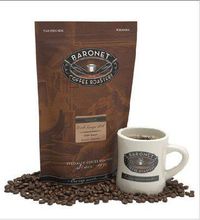
The practice of single coffee Sidamo coffee beans the method of growing coffee beans
The main producing areas of Ethiopian coffee are Harald (Harar) in the east, Djimmah (southwest) and Sidamo (south). The unique fragrance of Yirgacheffe comes from Yirga, a small town in the northwest of Sidamo province. Yirgacheffe Coffee Raw Bean is World
2016-05-08 Individual products coffee Dharma coffee beans practices planting methods Ethiopia
What are the characteristics of African coffee beans? introduction to the species of African beans
. Colombia is the world's second largest coffee producer after Brazil. Is the leader in the country that produces Colombian mild. The name of origin has become a well-known name for coffee, such as Medning, Manizarez, Bogota, Almenia and so on. Coffee beans are light green and large-grained, according to their unique thick flavor, whether pure coffee or mixed
2016-06-06 Africa coffee beans what characteristics types introduction Colombia second only to Brazil